

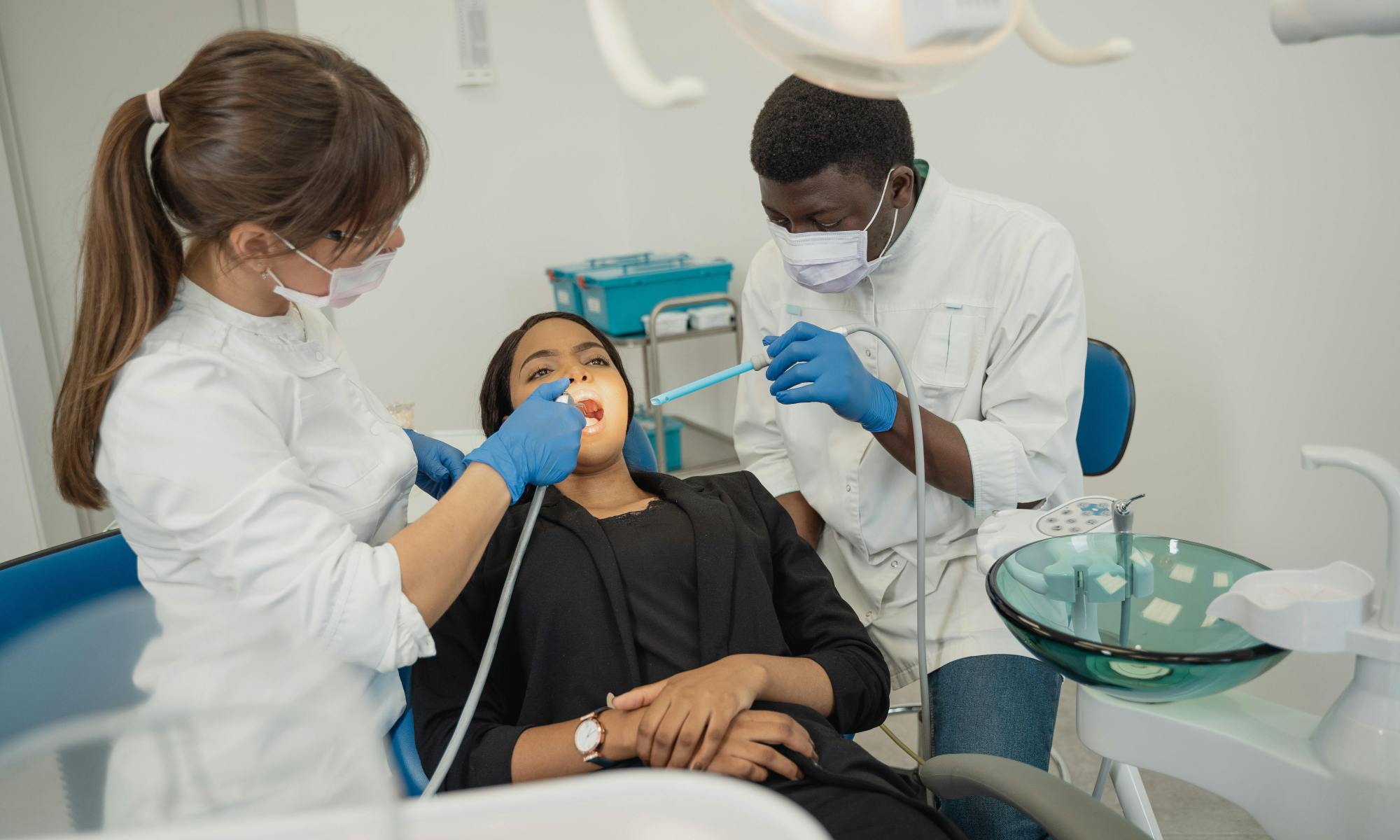
Choosing a career path is about more than salary, job stability, or hours. For many people, personal fulfillment and a sense of purpose guide their professional decisions. In the healthcare field, support roles such as medical and dental assisting offer a unique balance of technical skill, human interaction, and personal satisfaction. These positions allow individuals to make meaningful contributions to the well-being of others while also developing valuable skills and gaining insight into the broader medical system.
As healthcare continues to evolve, support professionals remain essential to the flow of patient care, making the emotional rewards of the work more visible than ever.
Making a Tangible Difference in People’s Lives
One of the most profound sources of fulfillment in healthcare support roles is the direct impact on patients’ lives. Whether it’s a medical assistant helping to calm a nervous patient during a procedure or a dental assistant easing discomfort during a visit, the ability to be a steady, compassionate presence is invaluable.
Patients often remember these small acts of kindness more than the treatment itself. Over time, this repeated experience of being helpful and empathetic can instill a deep sense of meaning and purpose in professionals working behind the scenes.
Being part of a patient’s journey—from intake to recovery—offers moments of human connection that are rare in many other professions. Those in healthcare support roles can witness real-time improvement in a patient’s health and comfort, creating a strong emotional link between their daily work and real-world outcomes.
Developing Skills That Foster Confidence and Growth
In addition to emotional satisfaction, healthcare support roles cultivate a wide range of skills that promote both personal and professional development. From clinical tasks like taking vitals or preparing equipment to administrative duties involving patient records and scheduling, each responsibility builds competence and confidence. The dynamic nature of healthcare settings also encourages adaptability, quick thinking, and teamwork.
What makes these skills especially rewarding is their transferability. Whether someone chooses to continue in their role, advance to another healthcare position, or pursue further education, the experience gained in medical or dental assisting lays a strong foundation. Institutions like The New York School for Medical & Dental Assistants provide comprehensive training that prepares students not just for technical work but for the ethical and interpersonal demands of the job as well.
Building Human Connections That Last
Another key aspect of fulfillment in these roles comes from the relationships formed along the way. Healthcare support professionals often become trusted members of the care team, collaborating with doctors, nurses, and other staff. Over time, these working relationships can create a supportive and encouraging environment that makes coming to work more enjoyable.
There’s also a unique opportunity to build rapport with patients who return for regular visits. Developing that sense of trust can be incredibly meaningful, as it transforms routine tasks into moments of real connection. For many professionals, this sense of being appreciated—by both colleagues and patients—is a powerful motivator that reinforces the decision to pursue a career in healthcare.
Embracing a Career That Aligns With Personal Values
Many individuals drawn to healthcare support roles are motivated by a desire to serve, to help others, and to be part of something larger than themselves. These values are deeply embedded in the daily routines of medical and dental assistants, who often serve as the first and last point of contact for patients.
The consistency of their presence, combined with their diverse skill set, makes them invaluable to healthcare teams and appreciated by the people they care for.
What sets these careers apart is how closely the work aligns with personal values like empathy, patience, and reliability. The fulfillment that comes from living these values daily contributes to job satisfaction that can be difficult to find in less service-oriented industries. For those who feel called to work with purpose, healthcare support roles offer a meaningful path forward.
Healthcare support careers offer more than just employment—they provide a chance to grow, give back, and find fulfillment through service. For many, the opportunity to contribute to someone else’s well-being each day is reason enough to pursue this rewarding path.
 Course Education School