

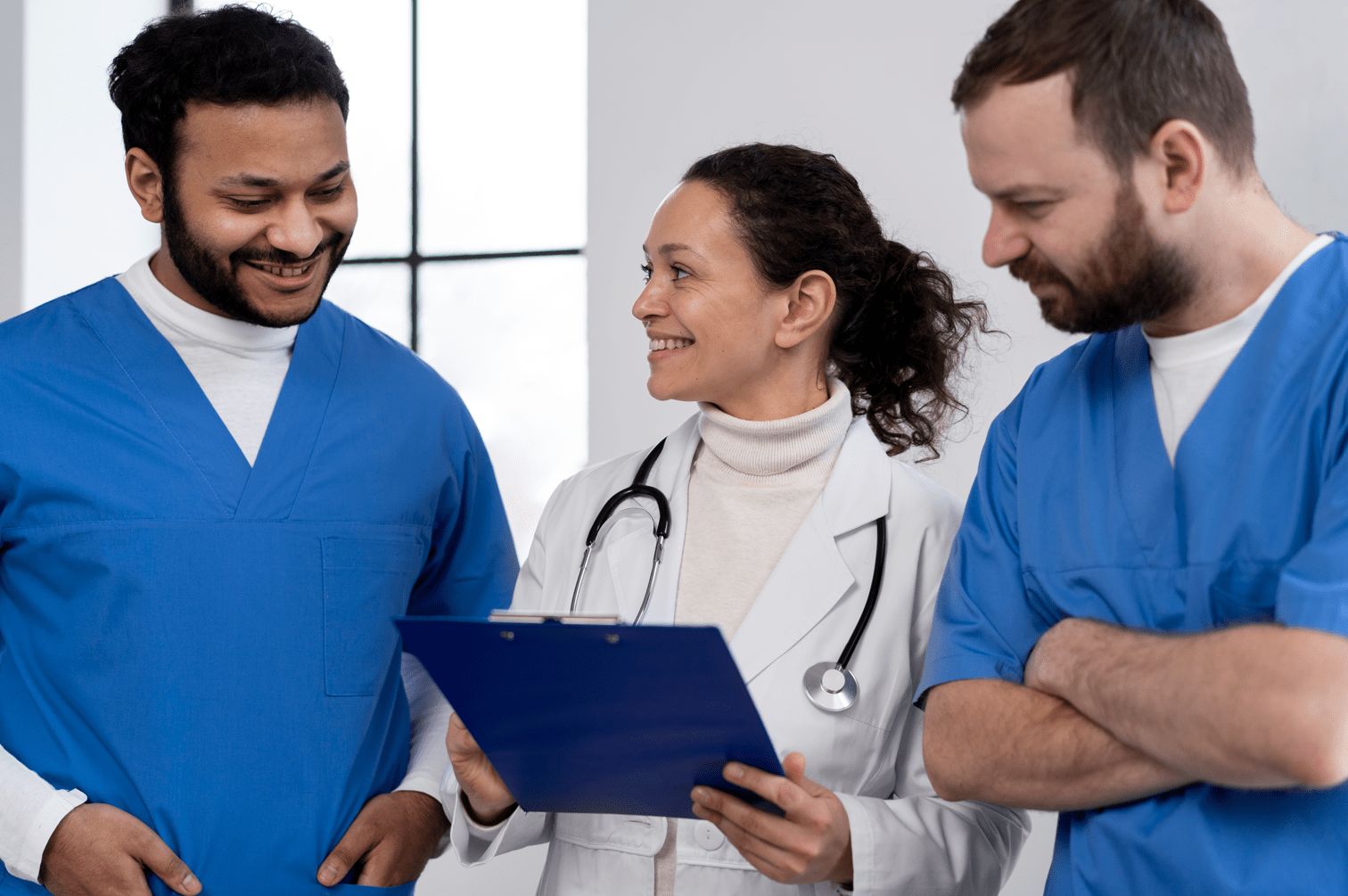
In the fast-evolving world of healthcare, knowledge alone is not enough. Employers are looking for professionals who not only understand the theory but also know how to apply it in real-world settings. That’s where practical healthcare programs and courses come in — they blend academic instruction with hands-on experience, preparing students for the real challenges of patient care.
Whether you’re just starting your career or looking to pivot into a healthcare role, here are seven hands-on programs and courses that ensure you learn by doing. Read on!
1. Medical Assistant Programs
Medical assistant programs are among the most accessible and practical training options in healthcare. These programs are designed to teach both administrative tasks and clinical procedures, such as taking vital signs, drawing blood, and assisting physicians during exams.
Many students explore medical assisting school programs to gain a comprehensive foundation in both patient care and office management. Most accredited programs also include an externship component, where students work in real clinics or hospitals. This on-the-job training gives future medical assistants the chance to interact with patients and medical teams in a real setting — an invaluable way to reinforce classroom learning and build professional confidence.
2. Nursing Clinical Rotations
Nursing programs are rooted in practical experience, especially through clinical rotations. These rotations allow students to work in hospitals, long-term care facilities, and clinics under the supervision of licensed nurses and instructors.
Students learn to administer medications, dress wounds, monitor patient progress, and communicate effectively with patients and families. These real-life experiences form the core of nursing education and are essential for passing licensure exams and thriving in a high-pressure healthcare environment.
3. Live Dentistry Courses
Dentistry is a field that absolutely requires hands-on practice, and many advanced courses offer exactly that. Live dentistry courses, such as those offered at Pikos Institute, are designed for both new and experienced dentists to practice procedures like root canals, crown placements, implants, and cosmetic treatments in live settings.
These courses often involve working on live patients or high-fidelity simulators, guided by experienced dental professionals. For those looking to specialize or update their skills, there’s no better way to build confidence and precision than by performing procedures in a real-time clinical environment.
4. Surgical Tech Training Programs
Surgical technologists play a crucial role in the operating room, and their training reflects the high-stakes nature of the job. Surgical tech programs offer extensive practical training in mock operating rooms, where students learn how to sterilize instruments, set up surgical trays, and assist surgeons during procedures.
Most programs also include clinical externships in real surgical settings. This immersive experience helps students understand how to stay calm under pressure, anticipate the needs of the surgical team, and maintain sterile environments — all critical skills for ensuring patient safety during surgery.
5. Radiologic Technology Courses
Radiologic technologists, or radiographers, are responsible for producing medical images used in diagnosis and treatment. Their training includes classroom work and intensive clinical practice. In these real-world settings, students learn how to operate X-ray, MRI, and CT equipment and how to work with patients to ensure comfort and accurate imaging.
During clinical rotations, students also gain experience in analyzing image quality, maintaining safety protocols, and adapting to different healthcare environments. The goal is to make sure students are fully prepared to enter the workforce with both technical and interpersonal skills.
6. Physical Therapy Assistant Programs
Physical therapy assistant (PTA) programs emphasize hands-on experience to help students support physical therapists in patient rehabilitation. During the practical component of these programs, students learn to guide patients through therapeutic exercises, monitor progress, and document treatment outcomes.
Working with actual patients under the supervision of licensed therapists helps PTA students apply their learning in meaningful ways. This real-time feedback from instructors and patients is crucial for developing the communication and critical thinking skills required for effective rehabilitation care.
7. Emergency Medical Technician (EMT) Courses
EMT training is built around the concept of immediate, hands-on care. Students begin with classroom education on emergency procedures, trauma response, and patient assessment, then quickly move into practical simulations and real-life ride-alongs with ambulance crews.
The experiential portion of EMT courses allows students to respond to mock emergencies and eventually real calls, giving them a chance to apply lifesaving techniques like cardiopulmonary resuscitation (CPR), bleeding control, and patient stabilization. This real-world exposure is essential for developing the speed, judgment, and emotional resilience needed in emergency medicine.
Healthcare is a field where theory must meet practice. Each of these programs offers more than academic knowledge — they immerse students in real situations, allowing them to refine their skills, build confidence, and prepare for a seamless transition into the workforce.
Choosing a hands-on program ensures that when you step into your first healthcare job, you won’t just know what to do — you’ll already have done it. If you’re serious about entering the field and making a real difference, look for training that puts you right where the action is: beside the patient, in the clinic, or in the emergency room.
 Course Education School